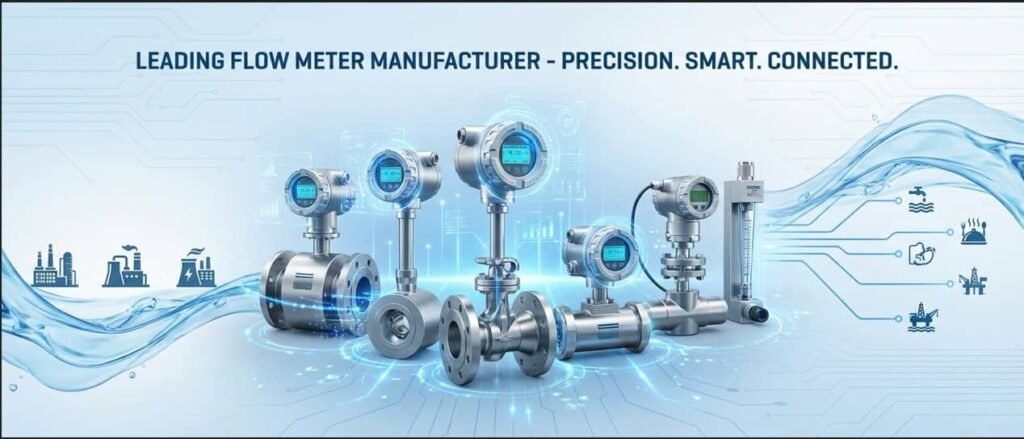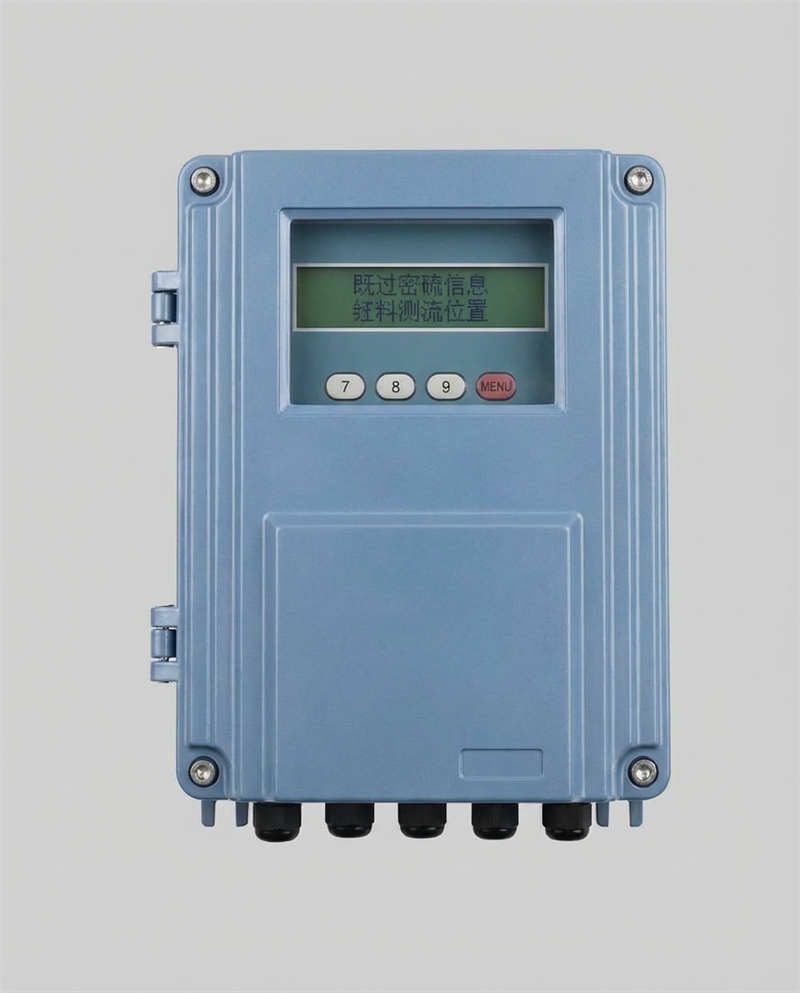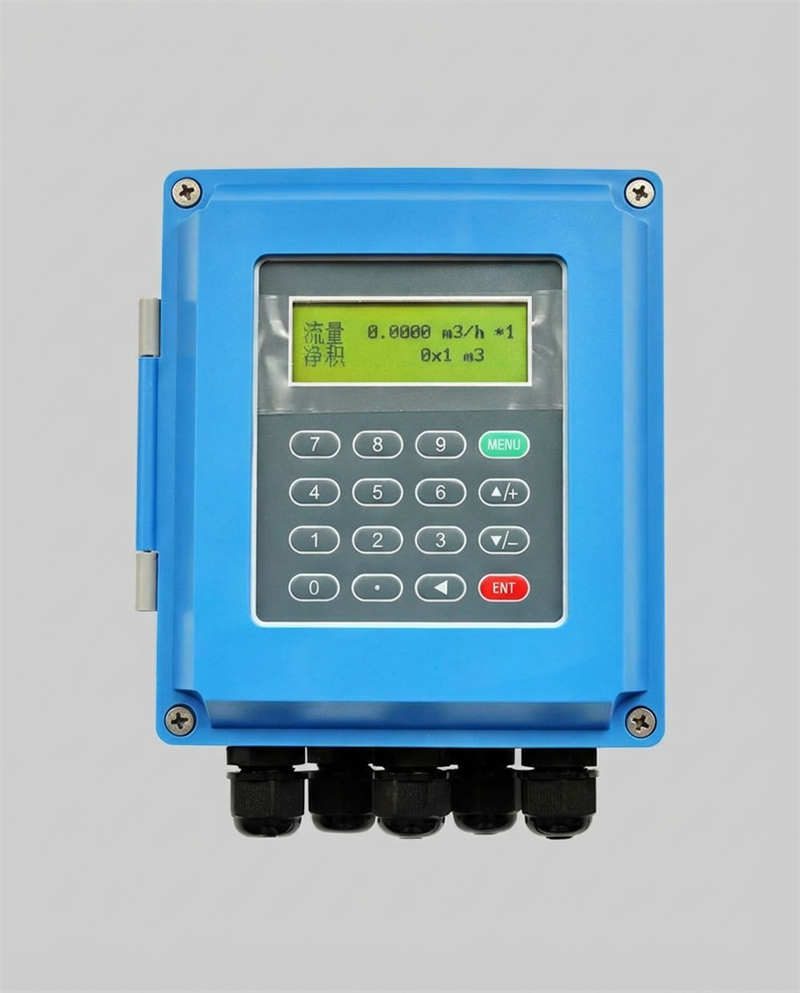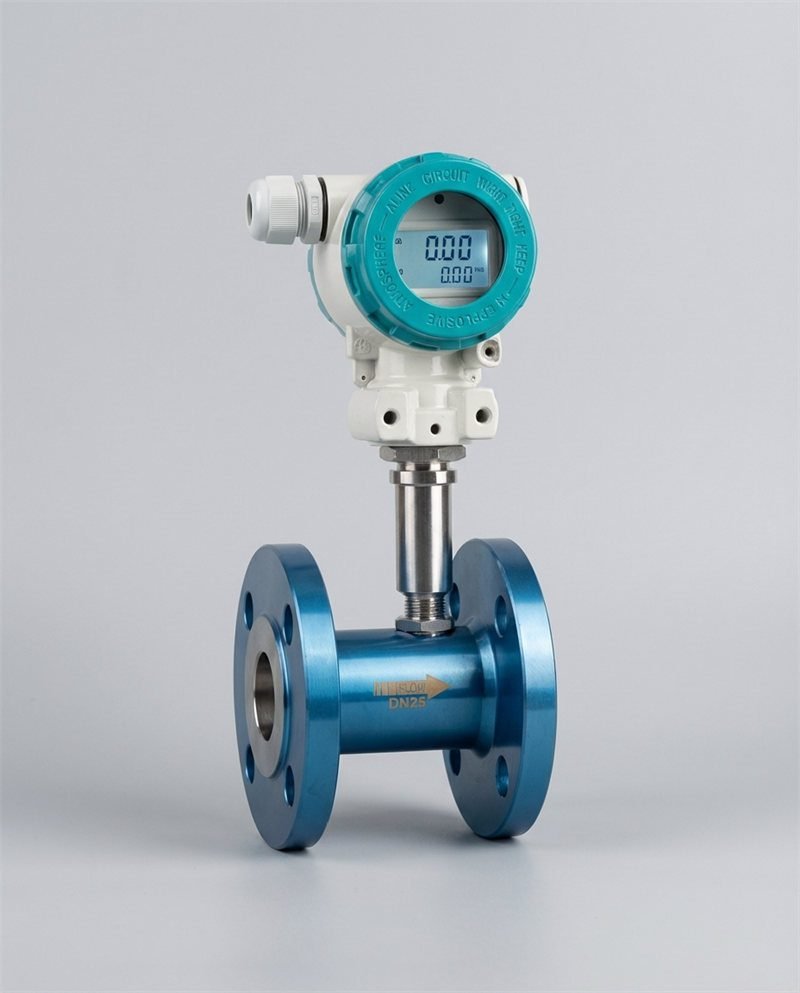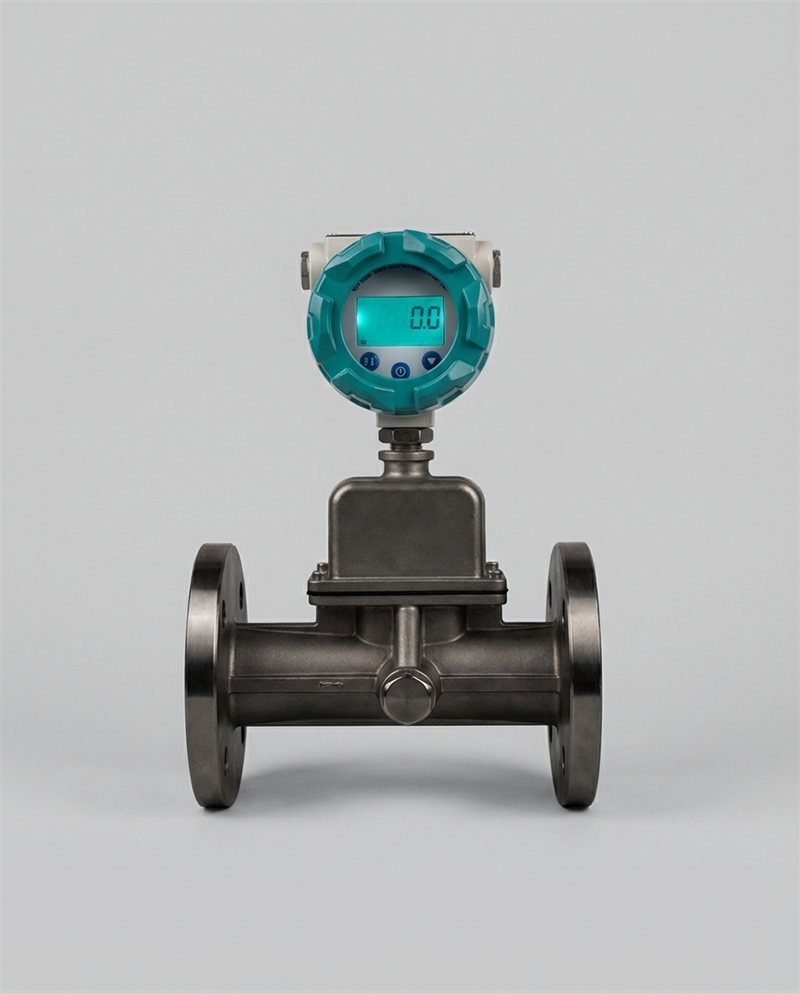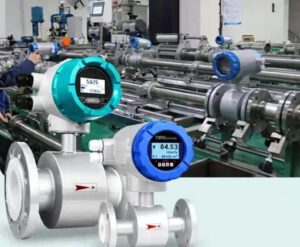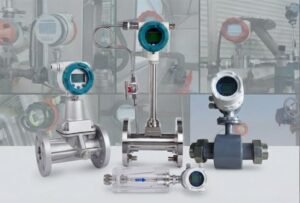
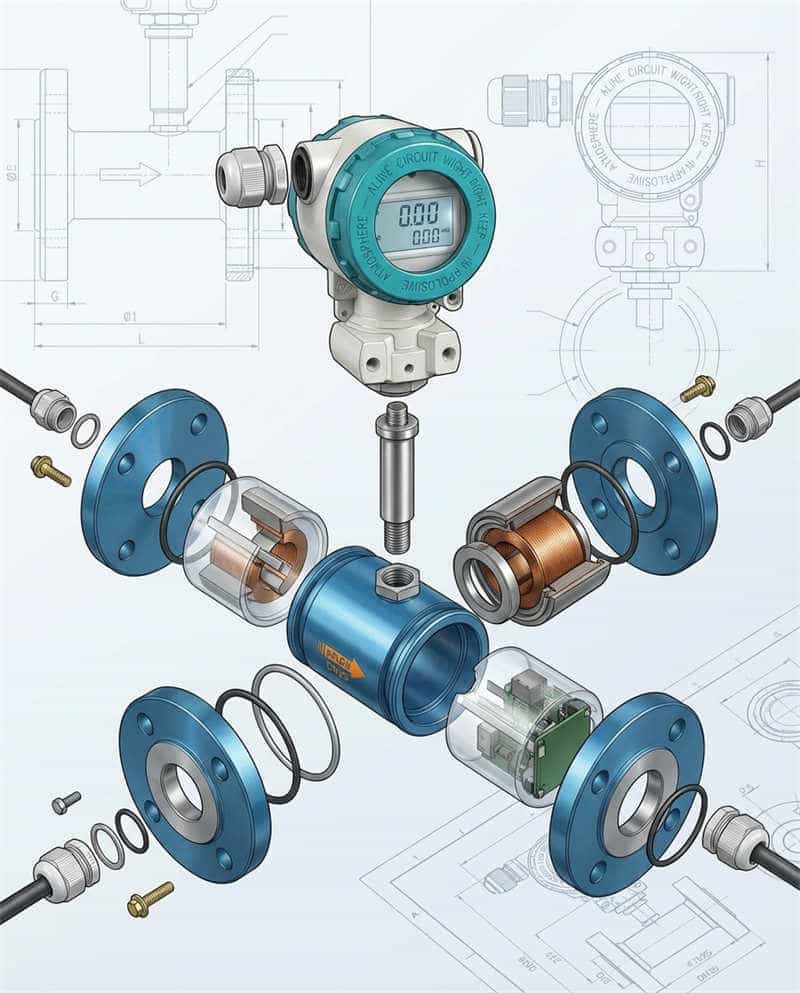
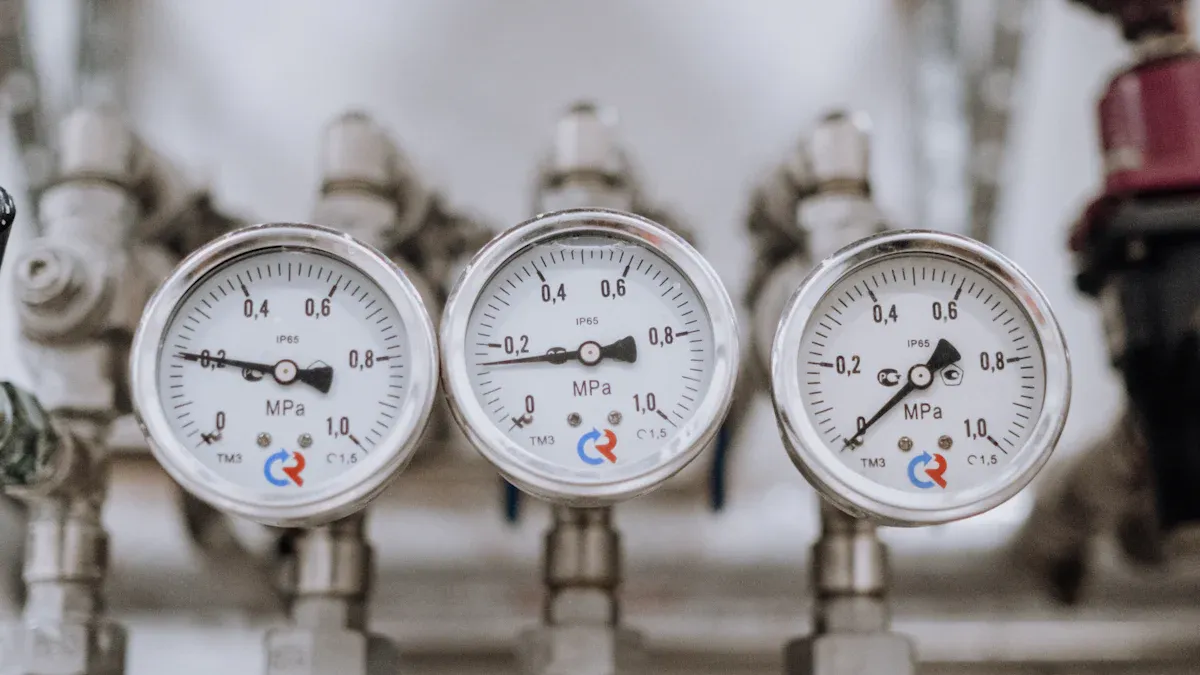
You use liquid flow measurement every day. This is true at work or at home. Flow measurement devices show how much liquid moves. They measure liquid in pipes or channels. Many industries use different devices. Each device works in its own way. Battery powered flow meters are popular for remote jobs. They hold 45.2% of the market. Magnetic flow meters are the most used. They have 60.1% of the market. People trust them for accuracy with conductive liquids. Coriolis flow meters are special for mass flow and density readings. They give very exact results. When you know these differences, you choose better for your needs.
Key Takeaways
- Learn about different flow meters. Each one checks liquid flow in its own way. Some use electromagnetic, ultrasonic, or Coriolis principles.
- Pick the best flow meter for your job. Make sure it fits the liquid type and your needs. This helps you get good results.
- Think about how accurate the meter is. Also look at price and upkeep. Meters with high accuracy can cost more. They help save money by lowering mistakes.
- Take care of your flow meter often. Clean and check it to keep it working well. This helps it last longer and stay correct.
- Ask experts for help if you need it. If your job is hard, talk to professionals. They can help you choose the right flow meter.
Importance of Liquid Flow Measurement
Process Efficiency
When you measure liquid flow well, your process works better. In factories, knowing the right flow rate helps you make more products. You can watch the flow in real time and change things fast. This keeps your products good and makes customers happy. Controlling flow also means you waste less and spend less money. Many jobs, like water treatment, oil and gas, and chemical plants, need good flow measurement. If you measure flow right, your business can do better than others.
Tip: Watching flow all the time helps you find problems early and keeps things working well.
Safety and Compliance
Measuring flow the right way keeps people and nature safe. In chemical plants, you must check flow rates to stop accidents. Good flow measurement stops leaks, spills, and bad mixing. Jobs like oil and gas or water treatment have strict safety rules. You must follow rules from groups like OSHA and EPA by keeping flow safe. Flow measurement lets you see if something is wrong and helps stop accidents.
Key safety benefits:
- Find leaks or strange flow fast.
- Stop spills and too much pressure.
- Keep things safe and follow the rules.
Cost Management
You spend less money with good flow measurement. In water treatment, you use the right amount of chemicals and waste less. This saves money because you only use what you need. Many jobs save energy and use fewer chemicals with good flow measurement. You can find and fix problems that waste money. Watching flow in real time lets you change things and not spend extra.
- Makes sure water is treated right with the right chemicals.
- Wastes less chemicals, so you pay less.
- Saves energy by using the best flow rates.
Overview of Flow Meter Types
Classification by Principle
There are many kinds of flow meters. Each kind measures flow in its own way. Some use electricity, sound, heat, or light. Others use changes in the liquid itself. The table below shows how flow meters are grouped by how they work:
| Measurement Principle | Types of Flow Meters |
|---|---|
| Electrical principle | Electromagnetic, differential capacitive, inductive, strain resistance |
| Acoustic principle | Ultrasonic, acoustic type (shock wave type) |
| Thermal principle | Thermal, direct calorimetric, indirect calorimetric |
| Optical principle | Laser type, photoelectric type |
| Physical principle | Nuclear magnetic resonance, nuclear radiation type |
| Other principles | Tracer, nuclear magnetic resonance |
These groups help you pick the best flow meter for your job. Each group works better with certain liquids and flow speeds. For example, electromagnetic flow meters are good for water and liquids that carry electricity. Ultrasonic flow meters use sound to check flow without touching the liquid.
Common Applications
Flow meters are used in many places. Water plants use them to check water flow. Buildings use them in heating and cooling systems. Chemical factories use them to control mixing. Oil and gas companies use them to watch flow in pipes. Food and drink factories use them to keep flow steady.
Here is a table that shows where different flow meters are used:
| Industry | Application Scenario |
|---|---|
| Water distribution and treatment | Managing and treating water supply |
| HVAC and building automation | Chilled water or steam systems |
| Chemical processing | Processing chemicals in lines |
| Oil, gas, and energy production | Monitoring flow in energy sectors |
| Food and beverage processing | Keeping flow steady in food production |
| Chemical and pharmaceutical | Dosing chemicals in production |
| Natural gas distribution | Managing gas flow |
| Semiconductor manufacturing | Specialty gas flow monitoring |
| Laboratory environments | Quick flow checks in testing |
| Industrial utilities | Managing compressed air and water lines |
| Fuel dispensing | Custody transfer in oil and gas |
| Chemical batching | Blending and batching chemicals |
| Lubrication systems | Monitoring flow in lubrication |
| Metering of process liquids | Managing flow in industrial environments |
Note: Always match the flow meter to your job. This helps you get the best results and keeps things safe.
You will learn more about each flow meter type soon. This will help you pick the right one for your needs.
Differential Pressure Flow Meters
Operating Principle
Differential pressure flow meters measure flow by making a blockage in the pipe. This blockage causes the pressure to drop. The device uses Bernoulli’s equation to link pressure difference and flow rate. When flow gets faster, the pressure drop gets bigger. The flow rate changes with the square of the pressure difference. Small flow changes at low rates are hard to see. At low flow, the pressure drop is tiny, so accuracy can go down. You must make sure your system is sensitive enough for these times. This method is very old and works well for measuring how much liquid moves.
Applications
Differential pressure flow meters are used in many places. They work in chemical plants and oil and gas jobs. You also find them in water treatment and cooling systems. These meters help with blending, chillers, and lube oil systems. The table below lists common uses:
| Application Area |
|---|
| Reverse Osmosis |
| Blending Processes |
| Chillers |
| Cooling Water |
| Lube Oil |
You can use these meters to check flow in liquids and gases. They are good when you need steady flow readings.
Pros and Cons
Differential pressure flow meters have many good points. They work with gas, steam, and liquid. You do not need to worry about if the fluid carries electricity. They work for many temperatures and pressures. They can measure very slow flows and thick fluids. Some types only cause a small pressure drop that stays. They are a good price for big pipes.
But there are some problems too. The square link between pressure and flow limits the range. At low flow, they are less accurate. Orifice plates can make a big pressure loss. You must keep impulse lines from freezing. How you put them in can change how well they work, so follow the rules. You need straight pipe before and after the meter for best results. For small pipes, other meters like velocity flow meters may cost less.
Tip: Always check your flow speed and needs before picking a flow meter for your job.
Positive Displacement Flow Meters
Operating Principle
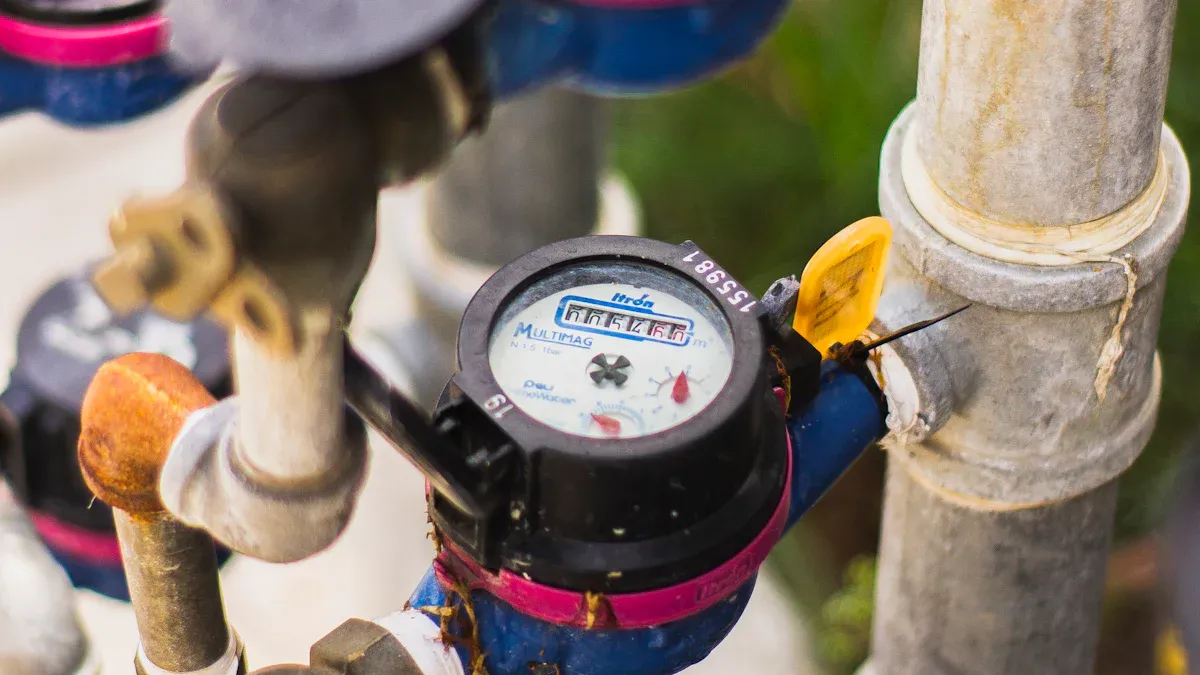
Positive displacement flow meters measure flow by trapping set amounts of liquid. The meter fills a chamber, then empties it. Each time this happens, it counts as one unit. This way, you know the exact flowrate, not just how fast the liquid moves. These meters are very accurate, usually within ±0.1% of the real flow. They also give the same results again and again, with repeatability up to 0.05%. They work best with thick or sticky liquids like oil, fuel, or solvent. These liquids move slowly, so other meters may not work well. Do not use these meters for slurries or liquids with lots of grit. Grit can block or break the moving parts.
Tip: Pick this meter if you need to measure thick liquids very exactly.
Applications
You can find positive displacement flow meters in many jobs. They are used in oil and gas, water and wastewater, and chemical injection. You also see them in power plants, medicine, and food factories. They work in pulp and paper, metal and mining, planes, and hydraulic tests. Each job likes these meters because they handle many flow rates and liquids. You can trust them to measure flow well, even if the flow changes or pulses.
- Oil and Gas
- Water and Wastewater
- Chemical Industry and Chemical Injection
- Power Generation
- Pharmaceuticals
- Food and Beverage
- Pulp and Paper
- Metal and Mining
- Aerospace
- Hydraulic Testing
Pros and Cons
You should know what is good and bad about positive displacement flow meters before picking one. The table below shows the main pros and cons:
| Pros | Cons |
|---|---|
| Very accurate, even with thick liquids and little leaking. | Needs clean liquid; big particles can block it. |
| Measures pulsing flow well and can handle changes. | Can rust if the wrong materials are used. |
| Can measure very slow flows with high turndown ratios. | Gets bigger as flow rate goes up, so big meters are rare. |
| Easy to take care of, with few moving parts and simple readouts. | |
| Does not need long straight pipes, so you can put it almost anywhere. | |
| Can be made for high-pressure jobs. |
These meters measure flow well, even at slow speeds. They are easy to care for because there are not many moving parts. You do not need long straight pipes before or after the meter. But you must use clean liquids, or the meter can get blocked. Rust can also be a problem if you use the wrong materials. Big meters are not common because they get too large as flow goes up.
Note: Always pick the right meter for your liquid and flow needs to get the best results.
Turbine Flow Meter
Operating Principle
A turbine flow meter checks how fast liquid moves in a pipe. The liquid goes through a chamber with a spinning rotor inside. When the liquid moves faster, the rotor spins faster too. If the flow slows down, the rotor turns slower. The meter counts how many times the rotor spins. This count tells you the flowrate. The rotor speed matches the liquid speed. This makes the reading very accurate. If you set up the meter right, it gives good results.
Tip: Make sure your turbine flow meter stays clean and has no debris. This helps it work its best.
Applications
Turbine flow meters are used in many jobs. They work best with clean liquids. You can find them in aerospace and car factories. They are also used in many industrial places. Oil and gas companies use them for petroleum. Steel plants use them for chemicals. The table below shows where they are used and what liquids they measure:
| Sector | Types of Liquids |
|---|---|
| Aerospace | Clean liquids |
| Automotive | Clean liquids |
| Industrial | Clean liquids |
| Oil and Gas | Petroleum products |
| Steel | Chemicals |
You can also use these meters for water and chemicals. They work well with other thin liquids too. These meters help many industries watch their flow.
Pros and Cons
Turbine flow meters have many good points and some limits. They are very accurate with many kinds of fluids. You can use them in lots of different jobs. They are a good choice for thin liquids. They do not cost too much and are reliable. But they do not work well with thick or sticky liquids. Thick liquids can make the readings wrong. The table below shows the main good and bad points:
| Limitations | Benefits |
|---|---|
| Can give wrong readings if the liquid is thick | Very accurate for many fluids |
| Can wear out if used with rough or harsh liquids | Good for many different uses |
| Needs steady flow to measure right | Reliable and not too expensive for thin liquids |
Note: Do not use turbine flow meters with rough or dirty liquids. This keeps your meter working well for a long time.
Vortex Flow Meter
Operating Principle
A vortex flow meter helps you measure flow by using a special bar called a vortex shedder. When liquid or gas moves past this bar, it creates swirling patterns called vortices. These vortices form on both sides of the bar, switching from side to side. The speed of the flow controls how often these vortices appear. This pattern is known as a von Kármán vortex street. You can count the number of vortices to find the flow rate. A piezoelectric sensor sits inside the meter and feels the force from the vortices. It turns this force into electrical signals. The meter then uses these signals to show the flow rate. You get a clear and direct way to do flow measurement.
Tip: Make sure the flow is steady and not too slow. This helps the meter count the vortices correctly.
Applications
You can use a vortex flow meter in many areas of application. It works well for steam, gas, and liquid. You often see it in boiler systems, building heating, and steam condensate systems. It can measure both saturated and superheated steam. This makes it a top choice for energy plants and factories. The table below shows common areas of application:
| Application Type | Description |
|---|---|
| Boiler Systems | Measures steam flow for safe and efficient boiler operation. |
| Building Feed | Checks steam flow in building heating and energy systems. |
| Steam Condensate Systems | Monitors steam flow in condensate lines for better recovery and efficiency. |
| Saturated/Superheated | Handles both types of steam for accurate flow measurement. |
You can also use this flow meter for monitoring water and other clean liquids in industrial plants.
Pros and Cons
A vortex flow meter gives you many benefits. You get low maintenance because there are no moving parts. You can use it with steam, gas, or liquid. It works in hot or cold places and handles high pressure. You can install it in pipes where flow goes in either direction. The meter gives you a linear output, so you get steady and clear readings. You can trust it for flow measurement in tough jobs.
| Strengths | Impact |
|---|---|
| Low maintenance | Less time and money spent on upkeep |
| Wide fluid compatibility | Works with steam, gases, and liquids |
| Linear output | Easy to read and understand |
| Bidirectional flow | Measures flow both ways |
| Broad temperature range | Handles very hot or cold fluids |
| High-pressure rating | Safe for strong pressure systems |
You should know some limits. The meter needs a minimum flow speed to work right. If the flow is too slow, it may not count the vortices. It does not work well with thick or sticky fluids. Strong pipe vibrations can make the readings jump. You must install it the right way to avoid errors.
Note: Always check your fluid type and flow speed before choosing this flow meter for your application.
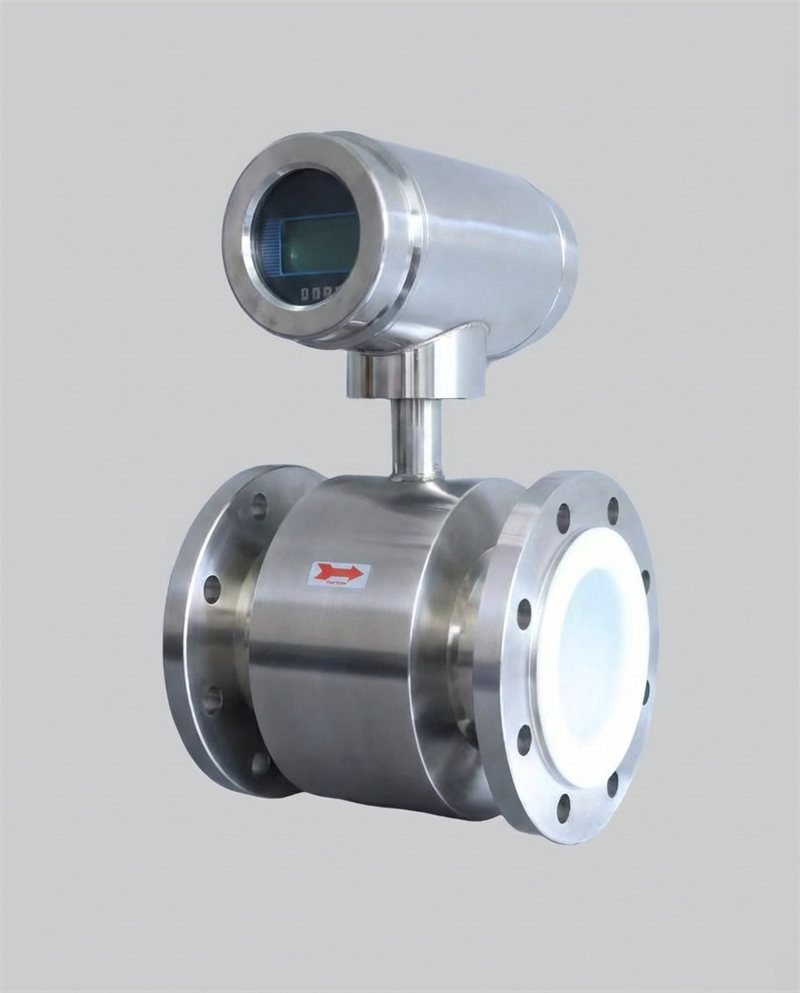
Electromagnetic Flow Meter
Operating Principle
An electromagnetic flow meter checks how much liquid moves in a pipe. It works because of Faraday’s law. When liquid goes through a magnetic field, it makes a small electric voltage. The meter uses this voltage to tell how fast the liquid flows. The liquid must conduct electricity well, at least 5 microSiemens per centimeter. If the liquid does not conduct enough, the meter cannot work right. Low conductivity can make weak signals and more noise. This can cause mistakes in your readings. Sometimes, the electrodes can get polarized. This can make the meter not last as long.
- The meter only works with liquids that conduct electricity.
- If the liquid does not conduct well, readings can jump around.
- Electrical noise can mess up the results if the liquid is not good at conducting.
Tip: Always check if your liquid conducts electricity before picking this meter.
Applications
You can use electromagnetic flow meters in many places. They are common in water and wastewater plants. You can use them for clean water, dirty water, sludge, and chemicals. These meters help you measure flow in all parts of the water cycle. They work from getting water out of the ground to cleaning and sending it out. They do not have moving parts, so they do not get stuck by dirt or solids. They are very accurate and do not cause pressure loss. This is important for city water systems. You can also use them for other liquids that conduct electricity in chemical and food factories.
- Used for getting, cleaning, and sending out water.
- Works with dirty water, sludge, and chemicals.
- Good for tough jobs with lots of solid bits.
Pros and Cons
You should know what is good and bad about electromagnetic flow meters before choosing one.
| Advantages | Disadvantages |
|---|---|
| Very accurate with liquids that conduct | Cannot measure liquids that do not conduct |
| No moving parts, so less fixing needed | Needs liquid to conduct above a certain level |
| Handles strong and rough liquids | Needs steady flow for best results |
| Does not cause pressure loss | Liner damage can make it not work right |
| Can measure many kinds of liquids | Can be bothered by electrical noise |
| Lasts a long time | Not for gas or steam |
| Good for many jobs | Costs more at first than some other meters |
| Does not work with very high heat or pressure |
These meters give you good flow readings and last a long time. Make sure your liquid is right for this kind of meter.
Ultrasonic Flow Meter
Transit-Time Type
A transit-time ultrasonic flow meter checks flow in clean liquids. It sends ultrasound signals both ways in the pipe. The meter times how long each signal takes. The time difference shows the flow rate. You do not need any particles in the liquid for this. The meter gives a direct reading of how much liquid moves. You usually see the result in milliliters or liters per minute. This type works best when the liquid is clear and has no bubbles.
Doppler Type
A Doppler ultrasonic flow meter works in a different way. It sends ultrasound waves into the liquid. These waves bounce off particles or bubbles in the flow. The meter checks how the wave’s frequency changes. This is called the Doppler shift. The shift tells you how fast the liquid moves. You need some particles or bubbles in the liquid for this to work. If the liquid is too clean, the meter cannot measure the flow.
Here is a table that shows the main differences:
| Measurement Technique | Transit-Time Flow Meters | Doppler Flow Meters |
|---|---|---|
| Measurement Basis | Measures volume flow directly in mL/min or L/min | Measures average fluid velocity based on frequency shift |
| Method of Operation | Measures time taken for ultrasound waves to travel upstream and downstream | Reflects ultrasound waves off particles in the fluid to determine velocity |
| Dependence on Fluid Particles | Does not rely on particulates in the fluid | Requires suspended particles or air bubbles for measurement |
Applications
You can use ultrasonic flow meters in many jobs. They are used in water and wastewater plants. Chemical and petrochemical plants use them too. HVAC systems also use these meters. Food and drink factories use them to check flow. These meters measure flow without touching the liquid. You can use them for environmental checks and making medicine. Oil and gas companies use them as well. They help control the process and keep fluids clean in sanitary jobs.
- Water and wastewater treatment
- Chemical processing
- Food and beverage production
You can trust these meters for many jobs because they do not touch the liquid.
Pros and Cons
Ultrasonic flow meters have many good points. You can put them in without cutting pipes. You do not need to stop the flow. This saves money when you install them. They are very accurate and give steady results. These meters work with many pipe sizes and materials.
There are some things to watch out for. The pipe must be the right kind for the meter to work well. Some liquids can make the readings less correct. You must put the meter in the right way for the best results.
| Pros | Cons |
|---|---|
| Non-Invasive Installation | Installation Sensitivity |
| High Accuracy and Reliability | Dependence on Pipe Material |
| Cost savings in installation | Performance limitations based on fluid characteristics |
Tip: Always check your liquid and pipe before you pick an ultrasonic flow meter for your job.
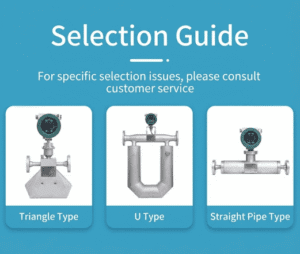
Coriolis Flow Meter
Operating Principle
A coriolis flow meter is best for very accurate flow checks. It has tubes that vibrate when liquid or gas moves through them. As the fluid goes through, it makes the tubes twist a little. This twisting is called the Coriolis effect. The meter looks at how much the tubes twist. This tells you the mass flow rate. The twist matches how much mass is moving. You get a direct mass flow reading, not just volume. It does not matter if the fluid is thick or thin. The results stay correct for many liquids and gases. Coriolis flow meters give steady and repeatable numbers. This is important for safety and good quality.
Tip: Pick a coriolis flow meter if you need very exact flow checks, even if your fluid changes.
Applications
Coriolis flow meters are used in many jobs. They help in oil and gas, food and drink, and chemical plants. You also see them in medicine, planes, cars, and green energy. These meters are good for custody transfer, blending, and leak checks. They help with quality control, dosing, and recipe steps. You can use them for reaction checks too. The table below shows where they are used and what they do:
| Industry | Application Description |
|---|---|
| Oil and Gas | Custody transfer, blending, leak detection |
| Food and Beverage | Quality control, recipe management |
| Pharmaceutical | Precise dosing, formulation |
| Chemical Processing | Accurate blending, reaction monitoring |
| Aerospace | Improved efficiency, product quality |
| Automotive | Enhanced manufacturing processes |
| Renewable Energy | Efficiency in energy production |
You can trust these meters for flow checks in many fields.
Pros and Cons
Coriolis flow meters have many good points. They do not need much care and last a long time. They measure mass flow very well. You do not need to worry about the fluid type or heat. They work for tough jobs that need steady results. But there are some things to think about. They cost a lot at first. You may need special training to set up and fix them. The table below shows the main good and bad points:
| Advantages | Disadvantages |
|---|---|
| Low maintenance requirements | High initial costs |
| High durability | Complexity in installation |
| Accuracy in mass flow measurement | Need for specialized training for maintenance |
Note: Choose a coriolis flow meter if you want the best accuracy and can pay more and handle setup.
Thermal Flow Meter
Operating Principle
A thermal flow meter measures flow by using heat. You will see two temperature sensors inside the meter. One sensor heats up while the other stays cool. When liquid passes through, it takes away some heat from the hot sensor. The meter checks how much heat the liquid removes. This change tells you the flow rate. You get a direct reading of how fast the liquid moves. You can use this type of flow meter for both liquids and gases. The meter works best when the fluid is clean and does not have many bubbles or particles.
Tip: Always keep the sensors clean for the most accurate flow measurement.
Applications
You can use a thermal flow meter in many areas of application. It helps you measure flow in water treatment, chemical plants, and food factories. You will also find it in HVAC systems and laboratories. This meter works well for monitoring flow in clean water, pure chemicals, and air. You can use it for leak detection and checking small flow rates. Many industries trust this meter for flow measurement because it gives steady results. The table below shows common areas of application:
| Areas of Application | Example Use |
|---|---|
| Water Treatment | Checking clean water flow |
| Chemical Processing | Measuring pure chemical flow |
| Food and Beverage | Monitoring liquid ingredients |
| HVAC | Air flow in building systems |
| Laboratories | Small flow rate experiments |
Pros and Cons
You get many benefits from using a thermal flow meter. The meter gives you high accuracy for low flow rates. You do not need moving parts, so the meter lasts longer. You can use it for both liquids and gases. The meter works well for small pipes and low flows. You can install it easily in many places.
However, there are some limits. The meter does not work well with dirty or sticky fluids. Bubbles or particles can make the readings wrong. You need to keep the sensors clean for good results. The meter may cost more than simple types.
Note: Choose a thermal flow meter if you need steady and accurate flow measurement for clean fluids.
Open Channel Flow Measurement
Weirs and Flumes
You can measure flow in open channels using weirs and flumes. A weir is a barrier that water flows over. You measure the height of the water as it passes over the weir. This height tells you the flow rate. Flumes are special shapes built into a channel. Water flows through the flume, and you measure the depth at a set point. This depth shows the flow rate. Both devices help you check flow without closing the channel. You do not need to touch the water to get a reading. These tools give you a simple way to do flow measurement in rivers, streams, and ditches.
Tip: Clean your weir or flume often. This keeps your readings correct.
Applications
You will find weirs and flumes in many areas of application. Water treatment plants use them to check flow in open channels. Farmers use them for irrigation ditches. Cities use them to watch stormwater and wastewater. You can also see them in rivers and streams for environmental monitoring. These devices help you measure flow where pipes are not used. They work well in outdoor settings. You can trust them for steady flow measurement in many places.
| Areas of Application | Example Use |
|---|---|
| Water Treatment Plants | Measuring flow in open channels |
| Irrigation Systems | Checking flow in ditches |
| Stormwater Management | Monitoring city runoff |
| Environmental Studies | Tracking river and stream flow |
Pros and Cons
You get many benefits from using weirs and flumes. They are simple and do not cost much. You can install them in many places. They do not need power to work. You can use them for flow measurement in remote spots. They give you a clear way to check flow rate. You can use them for long-term monitoring.
However, there are some limits. Trash or plants can block the flow and change your readings. You must clean them often. They do not work well if the flow changes a lot. You need to set them up right for good results.
Note: Pick weirs and flumes if you want a simple flow meter for open channels in many areas of application.
Comparing Flow Measurement Devices
Key Differences
There are many kinds of flow measurement devices. Each one works in its own way. You need to know how they are different before you pick one. Some devices count how much liquid goes by. Others use sound, heat, or magnets to measure flow. You should check how accurate each device is. You also need to look at the price and how much work it takes to keep them working.
Here is a table that shows the main differences:
| Flow Meter Type | Accuracy | Cost | Maintenance Requirements |
|---|---|---|---|
| Mass Flow Meters | High accuracy | Higher cost | Needs power, low maintenance |
| Variable Area Flow Meters (Rotameters) | Limited accuracy | Low cost | Simple, low maintenance |
| Positive Displacement Flow Meters | High accuracy | Moderate cost | Needs cleaning, moving parts wear out |
Mass flow meters are the most accurate. They cost more but do not break often. Variable area flow meters are cheaper and easy to use. They are not as exact as other types. Positive displacement flow meters are also very accurate. You need to clean them and watch for worn parts.
Think about what kind of liquid you have. Some meters only work with clean water. Others can measure thick or dirty liquids. Some need electricity to work. Others do not need power. Always match the meter to your liquid and your job.
Tip: Check the accuracy, price, and care before you pick a flow meter.
Best-Use Scenarios
Each flow meter works best for certain jobs. Some are good for easy tasks. Others are made for hard jobs like moving chemicals or selling fuel. Always pick the meter that fits your needs.
Here is a table that shows which flow meter works best for each application:
| Application Type | Flow Measurement Device |
|---|---|
| Custody Transfer | Coriolis Mass Flow Meters |
| Chemical Processing | Coriolis Mass Flow Meters |
| Pharmaceuticals | Coriolis Mass Flow Meters |
| Food and Beverage | Coriolis Mass Flow Meters |
| Aerospace and Aviation | Coriolis Mass Flow Meters |
Use Coriolis mass flow meters when you need the best accuracy. These meters are great for moving fuel, making chemicals, and making medicine. They also work well in food factories and planes. You can trust them for important jobs where mistakes are not allowed.
For simple checks, use variable area flow meters. These are good for labs or quick tests. If you need to measure thick or sticky liquids, use positive displacement flow meters. They work well with oil, fuel, and syrup.
Electromagnetic flow meters are good for water plants. They can handle dirty water and chemicals. Ultrasonic flow meters are best if you do not want to cut pipes. You can use them for clean water or liquids with bubbles.
Note: Always think about your liquid, your flow speed, and where you will use the meter. This helps you get the best results and keeps your system safe.
Use this guide to pick the right meter for your job. You will measure flow better and make your work easier.
Choosing a Flow Meter
Selection Factors
You need to think about several things before you pick a flow meter. Start by looking at the type of liquid you want to measure. Some meters work best with clean water. Others can handle thick or dirty liquids. Check if your liquid has particles or bubbles. This can change which device works best.
Next, decide how accurate you need your flow measurement to be. If you need very exact numbers, choose a meter with high accuracy. For simple checks, you can use a basic device. Think about how much you want to spend. Some meters cost more at first but last longer. Others are cheaper but may need more care.
Maintenance is important. Some meters have moving parts that wear out. Others need cleaning to keep working well. You should also look at how easy it is to install the meter. Some types fit right into your system. Others need special tools or training.
You can ask experts for help. Jade Ant Instruments gives good advice and offers many flow measurement solutions. They can help you match the right meter to your job.
Application Recommendations
You should always match the flow meter to your areas of application. For water plants, electromagnetic meters work well. They handle dirty water and chemicals. If you need to measure flow in open channels, use weirs or flumes. These are simple and do not need power.
For oil, fuel, or syrup, positive displacement meters give you steady results. If you want to check flow without cutting pipes, pick an ultrasonic meter. These work for many areas of application and save time during installation.
Use Coriolis meters for jobs that need the best accuracy. These are good for food, medicine, and chemical plants. If you need to watch flow in many places, choose a meter that fits your monitoring needs.
Tip: Always check your flow rate, the type of liquid, and your areas of application before you decide. This helps you get the best results and keeps your system safe.
If you need more help, contact Jade Ant Instruments. They can guide you to the best flow measurement device for your needs.
- You see many types of flow meters. Each one uses a different principle to measure liquid flow.
- You need to match the meter to your job for the best results.
- You should think about accuracy, cost, and how easy it is to use.
If you have a complex application, ask an expert for help. You can learn more by reading guides or talking to professionals.
FAQ
What is the most accurate type of flow meter?
You get the highest accuracy with Coriolis mass flow meters. These meters measure the actual mass of liquid. You can trust them for important jobs like chemical mixing or fuel transfer.
Can you use one flow meter for all liquids?
No, you cannot. Each flow meter works best with certain liquids. For example, electromagnetic meters need conductive liquids. Always check your liquid type before choosing a meter.
How often should you maintain your flow meter?
You should check your flow meter at least once a year. Some meters need cleaning more often, especially if you use them with dirty or sticky liquids.
What is the easiest flow meter to install?
You can install ultrasonic clamp-on flow meters without cutting pipes. These meters save you time and money. You only need to attach them to the outside of the pipe.